Showing posts with label DID YOU KNOW?. Show all posts

Wednesday, 22 May 2013

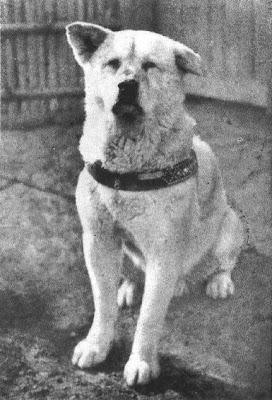
Hachiko Statue

Located at Shibuya, Tokyo, the statue of Hachiko won't be hard to find. It's located just in front of Shibuya train station and near to the famous Shibuya crossing.


The story is back in 1924, a Professor of  The University of Tokyo, Hidesaburo Ueno,  adopted an abandoned dog, which he named Hachiko. The dog was a Akita breed. Hachiko used to greet the Professor  everyday whenever he come back from work at the same time at the Shibuya Railway Station. Hachiko and the Professor followed this routine everytime until May 1925, when the Professor died and never returned home. But Hachiko waited there for the Professor to return home for the next 10 years (some say 9 years)  :-(


Other commuters and shops owners nearby who had seen the bond of the dog with the Professor felt sorry for it and started feeding it at the station. Hachiko finally died on March 8, 1935. His remains have been preserved at the National Science Museum of Japan, Tokyo. 

Today the Japanese people would refer to Hachiko to inspire their children. And in honour of Hachiko, his statue was made at where he waited for the Professor to return home. 

Images below from Wikipedia:


Friday, 10 May 2013

Tokyo, The Big Orange

You that New York city is called "The Big Apple", but did you know Tokyo city is called "The Big Orange"? 
From an unverified source: Tokyo city is called "The Big Orange" or also called "The Big Mikan" because of the web like pattern streets (like the one you can find covering the orange pulps), sometimes with no name or numbers. Sometimes a single route will eventually becomes two route out of nowhere. When people ask for direction on the streets, the answer you will get are usually the name of  shops or places close to the direction. So do you know why Tokyo City is called "The Big Orange"? Please share with us at our facebook page :-)


Tuesday, 8 January 2013

Japanese Soba Noodles

Soba noodles (buckwheat noodles) are available everywhere in Japan. It is eaten either steeped in a hot broth with various ingredients or cold with a soy-based dipping sauce. Soba noodles are very popular and inexpensive in Japan, especially during summer season. 


Unlike pasta or other type of noodles around the world, most Japanese noodles, including soba, are rinsed in cold running water. This not only cools them down but gets rid of excess starch, which adversely affects the flavor of the noodles. 


The most popular Soba noodles is serve cold. You eat Soba noodles by dipping into a properly made sauce or Soba Tsuyu, with plenty of spicy condiments or Yakumi. The Tsuyu is made of a strong mixture of Dashi, sweetened soy sauce (also called "Satōjōyu") and MirinWasabi and Spring onions, and sometime raw Quail egg are often mixed into the Tsuyu

It is typically eaten with chopsticks, you picks up a small amount of Soba noodles from the tray and swirls it in the cold Tsuyu before eating it. and in Japan, it is considered acceptable to slurp the noodles noisily. This is especially common with hot noodles, as drawing up the noodles quickly into the mouth helps cool them. 


On New Year's Eve there is a custom to eat "Toshikoshi-soba” (Year-crossing noodles). Because soba is fine and long, people eat them to wish for a long life. Another interesting fact about Soba is it also means "Next to". There is a Japanese custom called "Hikkoshi-soba” (Moving-in noodles). People, who have just moved into a new neighbourhood, give their new neighbours Soba noodles while introducing themselves.


Soba Noodles differ in different part of Japan and shops. There are different types of Soba noodles and it is serve with different kind of ingredients. You have to try it out yourself to know which Soba noodles you would prefer to eat. Next time you are in Japan or any Japanese restaurants, give it a try, but if you are already a Soba noodles lover, then Enjoy :-)


Friday, 23 November 2012


If you are visiting Kyoto, Japan then Kinkaku-Ji (temple) is a wonderful place to visit and a must visit. Kinkaku-Ji or the Golden Pavilion is a Zen Buddhist temple in northern Kyoto whose top two floors are completely covered in gold leaf. It is formally known as Rokuon-Ji and was the retirement villa of the shogun Ashikaga Yoshimitsu. Kinkaku-Ji is an impressive structure built overlooking a large pond, and is the only building left of Yoshimitsu's former retirement complex. It has burned down numerous times throughout its history including twice during the Onin War which destroyed much of Kyoto, and burned down once again more recently in 1950 when it was set on fire by a monk. The present structure was rebuilt in 1955.


Monday, 15 October 2012

Japanese Koi

Koi or Nishikigoi (in Japanese), are a popular fish around the world, and are kept for decorative purposes in outdoor Koi ponds or water gardens. Koi varieties are distinguished by coloration, scalation and patterning. Some of the major colors are white, black, red, yellow, blue, and cream.


Japanese Koi fish are specifically bred for both coloration and form. Most popular in Japan are the Kohaku, a pure white fish with persimmon-red patches arranged in a stepping stone pattern. Koi fish are beatiful, their patterns and colors make them amazing fish to see. People can spend hours just relaxing and watching these beautiful and colorful fish swim in the pond.


In Japan, Koi are known for their masculine and positive qualities. They are the official symbol for the Japan Children's Day on May 5th, which is also a festival in Japan.  During this festival families hang a Koi Fish windsocks or Koino Bori (see below) for every member they have in their household.  Another Japanese believes is that Koi fish symbolise strength for overcoming life's difficulties. Other than that Koi fish is a part of Japanese culture that can be found in some homes or parks around the world.


Friday, 5 October 2012

Japanese Coin Pouch


Japanese Coin Pouch, It's a must get when you are in Japan for putting Japanese Coins. I'm sure most guys wallet doesn't have a coin pocket in in nowadays, and it can be very inconvenience when you are in Japan  because they still uses a lot of coins in their market. This Japanese coin pouch can be easily store in your pockets wherever you go. 

The Japanese Coin Pouch comes with many design and patterns, but the shapes are all almost the same. You can easily buy them from any souvenir shops, and also from 100 Yen shops. It can also be a good souvenir to get for friends and family :-)

Sample of Japanese Coins

Monday, 4 June 2012

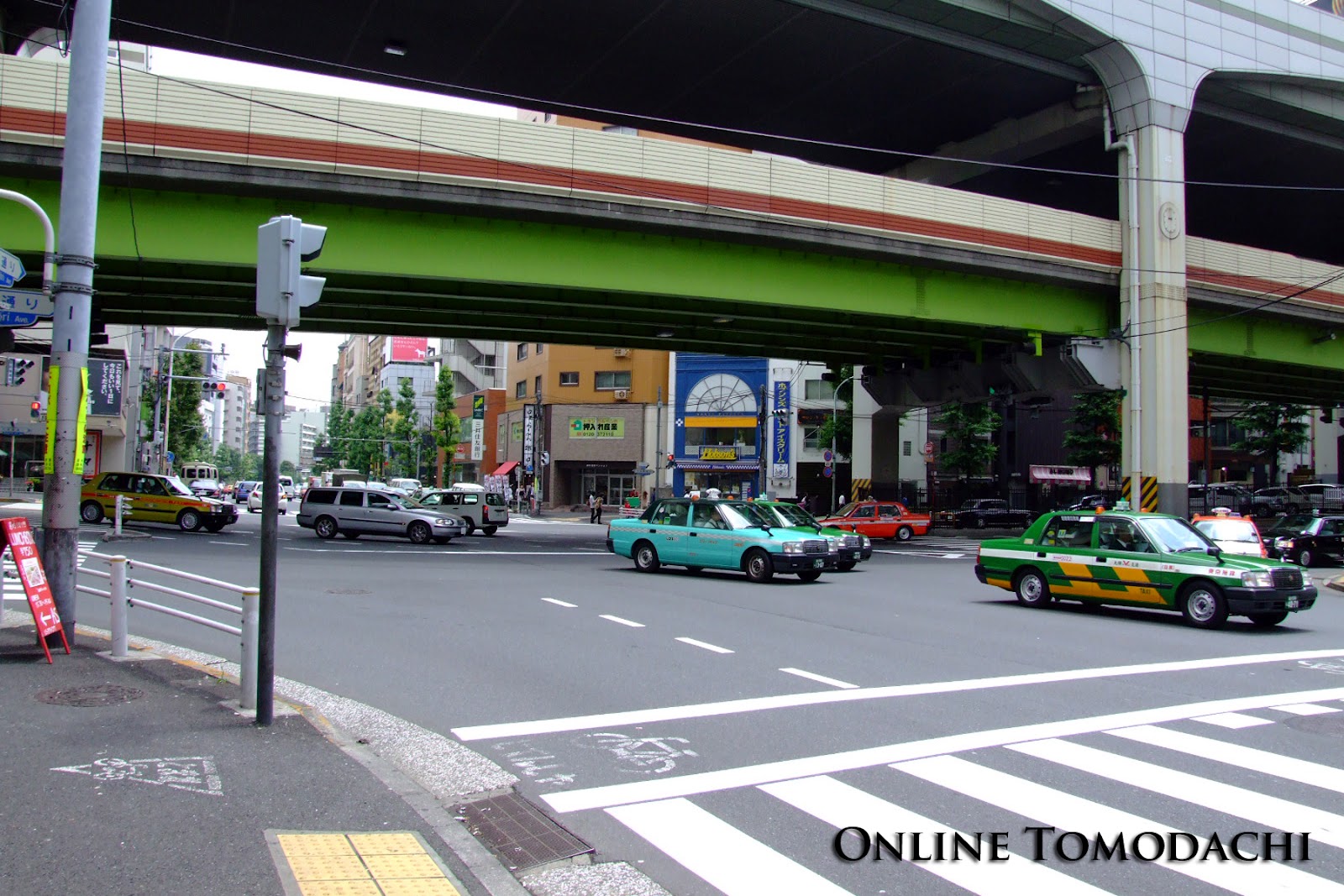
Taxi in Japan

Taxi can be found everywhere in Japan. It is one of the common transportation use there. It may be expensive to ride one if you are going on a long journey, but to go around fast in the city it can be convenience especially late at night when all the other public transportation shut down. 


In Japan smaller cities, Taxi are more often use than the other public transportation and it can help you save time instead of waiting for a bus. Taxi fares typically start around 600-700 YEN for the first two kilometers and increase about 100 yen for every additional 500 meters traveled. The cost is also counted when the taxi is not moving for a prolonged time. Late in the evening the rates are raised by around 20 percent. I'm sure this is the same with other countries. Traveling in a group of four is advise to reduce the fare when it's break down to a person. Oh ya, you can pay the Taxi fare with a credit card, just ask the Taxi driver before you enter.


In Japan the Taxi's left rear door is opened and closed remotely by the Taxi driver. You do not need to open or close the door. For a foreigner who can't speak Japanese well, communication with the Taxi driver can be a problem. Taxi drivers there don't really know how to speak English. So it is advice to give your driver the address of your destination on a piece of paper or point it out on a map, or have the telephone no. of the place you are going for the Taxi driver. Sometimes places in Japan can be confusing even for a Japanese.   


Visit here to learn some  Japanese language for calling a Taxi

A typical Japanese Taxi GPS Device

Monday, 16 April 2012

Walk around Osaka Castle

Osaka Castle or Osaka-Jo (in Japanese), is a famous landmark, a popular sightseeing spot in Japan. This castle is the symbol of Osaka and its famous around the world. The sheer height of the walls and the wide channels make for a grand sight that can be matched by no other castle in Japan. 

The Osaka Castle was built in the end of the 16th century by Toyotomi Hideyoshi, a well-known warlord who brought the whole country under his rule in the late 16th century. Unfortunately, it was burned down in a series of battles in the 17th century, and reconstructed later. But later again it was destroyed by fire and was reconstructed at last early in the 20th century. 


Another interesting thing about the castle is there are eight roof dolphins, and the decorative roof tiles and reliefs are carved in the shape of tigers, all of which are gilded with gold. There is a museum inside the castle with a large variety of historical materials and screen displays, and also the miniature figures depicting the Summer War of Osaka.


The steep walls of Osaka Castle is about 30 meters high are made of huge blocks of stone that were transported to Osaka from quarries over 100 kilometers away. The top floor of the castle is an observation deck where you can enjoy panoramic views of Osaka Castle Park, part of the modern high-rise buildings, the Osaka plain, and mountains in the distance. It a good place for photography.


With waterways running around the castle, there is a water bus service that takes you out on a 1-hour cruise in the river that flows through the city. In summer, the Okawa River in the northwest of the Osaka Castle becomes the stage for the Osaka Tenjin-matsuri Festival. This festival is known as one of the three largest in Japan with sight of a fleet of about 100 ships going down the river. And at night there will be wonderful Japanese Hanabi (fireworks) show.


Osaka Castle is a good place to walk around for sightseeing or just for relaxing. Even children & students like to visit the castle for their school trips. Or just have a sit to enjoy your lunch. You can buy nice Japanese Bento at the castle's compound, and also you can get nice souvenir at the shops there.


 If you visit here you must try the train provided for your amusement. It will be fun.


If you just want to visit a beautiful park in Osaka, have a visit to the Osaka Castle Park outside the castle. It is offering a suitable trails and pleasant scenery to enjoy along the way.


For more information about Osaka Castle, please visit here:

Photos courtesy of Forest Han Photography 

Monday, 26 March 2012

Karate

Karate or Karate-Do is one of the most popular Martial Art from Japan which was originally developed in the Ryukyu Islands in what is now Okinawa. A Karate practitioner is called a Karate-Ka. 


Karate is the art of punching, kicking, knee and elbow strikes, and open-handed techniques such as knife-hands. Grappling, locks, restraints, throws, and vital point strikes are also taught in some styles. Some people learn Karate as a form of self-defense, while others practice it as a competitive sport. Well there are those who practice it as a Traditional Martial Art.

The most common style of Karate found around the world is:
-Gojo Ryu
-Shotokan
-Wado Ryu 
-Shito Ryu
-Kyokushinkai

(Did i not list other styles in here? Yes, because there are too many others, and like i said this are the most common style found around the world)

Shihan Sabri leading the Karate Training

Questions: What's the different in the styles? or you want to know more ? 
Answer: Google it up yourself :-)

Fukamizu Sensei from Universal Shotokan Karate Union (USKU), Japan

A Karate-Ka wears a White Karate Gi (Uniform) & a Obi (Belt) for training. The levels of the Karate-Ka are determined by the colours of their Obi. White (Shiro Obi) for beginner, and Black (Kuro Obi) for Advance or Master. This is the same in all style of Karate style except for the other colours Obi which are different or in a different order.

For a Kuro Obi (Black Belt) there are also different ranks in it which are:
-Sho Dan 
-Ni Dan
-San Dan
-Yon Dan
-Go Dan
-Roku Dan
-Nana Dan
-Hachi Dan

(This means 1st Degree Black Belt to 8th Degree Black Belt)


Usually in Karate training, the Karate-Ka train Kihon (Basic), Kata (Pattern) and Kumite (Sparring). Other forms of training like self-defense are usually taught along with the training. Karate is not just for Men, Ladies also take up this Martial Art around the world as a good form of practice both for Self-Defense and competition.


Karate is one of the most popular cultures from Japan. It can be found in almost all countries especially in school clubs to a University club, even in a private club. It is also one of the most popular competitive sports in many Games events around the world and it's also practiced by young children all the way to people at an old age. Karate is not just a form of Martial Arts; It's also a good form of fitness and health.


Photos from Brunei Shotokan Karate training.
Photos courtesy of Forest Han
More photos can be found at Online Tomodachi Facebook page

Sunday, 11 March 2012

Care for Japan: Remembering March 11, 2011

From Youtube

Remember this video of the two dogs in Japan after the Tsunami & Earthquake incident? 
We do :-)

A year had passed since the tragic Tsunami & Earthquake struck Japan, but we still remember, and our support for all those affected still continue. And this is one of the reason why Online Tomodachi Blog exist, to show our continuing support & care by promoting about Japan from Brunei Darussalam. Ganbatte Japan :-)


Friday, 24 February 2012

Japanese Amulets

Japanese Amulets or Omamori (in Japanese) are commonly sold at a Shinto Shrine or a Buddhist Temple. The Amulets serve to provide various forms of luck or protection. The Japanese Amulet covering is usually made of cloth with pieces of papers or pieces of wood with prayers written on them. This is supposed to bring good luck or protection to the owner and is also used to ward off bad luck. Well this is good as a souvenir for family and friends for well wishing. 
 
Various kind of Japanese Amulets from different parts of Japan

Japanese Amulets provide blessings and protection, or may have a specific focus, and this is some of its function:
Yaku Yoke- Avoidance of evil
Kaiun- Open luck
Anzan- Protection for pregnant women and safe delivery.
Gakugyo Joju- For students' education and passing of examination.
En Musubi- Acquisition of a mate and marriage. For singles and couples to ensure 
                     love and marriage.
Kotsu Anzen- Traffic safety. Protection for drivers and travelers of all sorts.
Kanai Anzen- For good health.
      Shobai Hanjo- Prosperity in business. Success in business and matters of money. 

So choose wisely which one to get for your own good :-)
Matcha deciding which one to get.
The Japanese Amulets should never be opened in order to avoid losing its power. Old Japanese Amulets are usually returned to the same shrine or temple where it was obtain so it can be disposed properly once it served it’s purposed (in some believes). This is commonly done after New Year. This way the shrine or temple visitor has a fresh start for the New Year with a new Omamori. And also if a shrine or a temple visitor cannot find a Japanese Amulets for their needs, they can make a request from the priest or monk to have one made special for their needs. 

One advice, please do not throw the old amulets into the rubbish bin or trash, have some respect. Just burn it properly. A Japanese Amulet usually cost around 200 Yen to 1000 Yen (around B$3 to B$15) depending on it's purpose, and remember one thing if you buy a Japanese Amulets, it is considered as a donation to the temple or shrine. Share the photos of the Japanese Amulets you got or received as a gift from friends and family with us at our Facebook page. We would like to hear your story :-)

Monday, 13 February 2012

Japan Valentine's Day


Unlike a normal Valentine’s Day, In Japan, it is only the women who give presents (mainly chocolates) to men. Japanese women are believed to be shy to express their love. (Well I don’t know about now) Therefore, Valentine's Day is an opportunity for women express their feelings.

But wait there is a different meaning with the chocolates the women give to men. Chocolates given to men whom women don't feel special love are called "giri (obligation)-choco (chocolate)" in Japan usually to co-workers and bosses. Women tend to give special gifts with chocolates to those men whom they love and this is called "honmei choco” (prospective winner). Nowadays many young Japanese girls tend to exchange chocolate gifts with their female friends. These chocolates are called "tomo choco" (Friends).

Not so fast Men....... a month later on March 14th men are supposed to return gifts to women. This is called "White Day". This is only found commonly in Japan. On this day men who received gifts of chocolate have the chance to return the favour by giving the women who gave them the gifts of chocolate a more expensive box of chocolate or sweets, or other gifts priced slightly higher than the chocolate the women gave them. The gifts that men buy are in white boxes (well it’s called "White Day") and come with separate shopping bags to put them in. Well it’s really up to the men whether or not he will return the gifts to the women, depending on their feelings.

But..... it is said that this custom is created by chocolate companies to boost their sales, and yes it is very successful. Now the chocolate companies in Japan sell more than half of their annual sales during the week before Valentine's Day :-) Happy Valentine’s Day Everyone.

Monday, 2 January 2012

Tokyo Tower Day & Night

I've always tell my friends you never really know Tokyo until you visit Tokyo Tower, so it's a highly recommended place to visit. The views from the Tower is amazing and beautiful both day & night. Well anyway more on Tokyo Tower next time in a new post. Now i just want show you how Tokyo Tower looks like in the day and in the night. I photograph this 2 photos above from my Hotel room window.

This photo below, Interesting fact i learned from a Japanese Lady 
when i was in Tokyo back in 2008 

When you visit Tokyo Tower at night, look around outside at the magnificent views of Tokyo and look for these roads. You will soon realise the roads in the photos resemble Tokyo Tower and also the Tokyo Tower Logo that can be found on the Official Tokyo Tower watch. For those who had visited Tokyo Tower and did not realised it, look for it next time you are there, it will be fun :-) Share with us your favourite Tokyo Tower photos or Videos at our Facebook page, Thank you.

Sunday, 25 December 2011

Season Greetings From Online Tomodachi

Season Greetings from us here at Online Tomodachi,
 and Happy New Year 2012 to all our Friends.

Here is a video from Youtube about Japanese Hanabi (Fireworks) 
which is very common during Japan New Year celebration, Enjoy.
If you are in Japan during the New Year, you shouldn't miss out the Hanabi. 

Friday, 16 December 2011

Rabbit on the Moon (Japanese Version)

Every time there is a full moon everyone always look up in the sky and say "Wow! Look at the full moon". Some would ask can you see the Rabbit on the moon? And one time a Japanese Friend of mine she say, "Hey, you know the Rabbit is making rice cake on the moon" :-) Hmm.... Interesting, tell me about it from Her Japanese point of view. Oh ya the Full moon photo below was taken this year during the Moon eclipse at December 10, 2011 using my SLR Camera with a 400mm Telescopic lens zoom. Can you see a Rabbit?

Back to what my Japanese friend's version of the rabbit on the moon, She say just look at the moon and you can see a Rabbit pounding rice cake, it's a Japanese Folks Tale (not sure about story, Google it up :-p). After that she told me if she can go to the moon she want to find the rabbit (Just like she wanted to ride a Giant Turtle). Well if you observe the moon photo below, you can see a Rabbit pounding a rice cake.


For some people, this is how the Rabbit look like below during the full moon.

Anyone know the full story, Japanese version? Share with us at our Facebook page, Thank you :-)


Saturday, 10 December 2011

Japan Hotel Washroom (aka Toilet)

If you stay in a typical Japan Hotel, don't expect the washroom to be big & spacey. But it is very well equipped and comes with a very advance technology toilet. At some Hotel you can even hear what's on your TV through the washroom speaker, and you have a telephone in there. My advice test out everything in the washroom first before you do your business in there, make sure of that. I almost embarrassed myself by calling the hotel staff for not knowing how to use the toilet, but luckily i figured it out :-)

Here are some things you can find in a washroom, well just leave your shampoo, body wash at home. Good products and good Hotel Souvenir :-)

Here we are, the modern toilet, or called the "Super Toilet". The feature set commonly found on this type of toilet sit or wash-lets are Anus washing, bidet washing, seat warming, blow dryer, massage options, water jet adjustments, automatic lid opening, wireless control panel, automatic flushing and and deodorisation. Well not on all model, it depends. When your in Japan check out it's function, it should be fun for anyone who are going to use it for the first time :-)


Watch the video below from Youtube
Do you have any pictures, videos or Japan toilet experiences to share? Please share with us in our Facebook page. Thank you.

Wednesday, 7 December 2011

How to visit a Shrine in Japan

Just watch this video from Youtube
I visited this very same Shrine when i stayed in Akasaka in 2009

Saturday, 26 November 2011

Quick Hair Cut in Japan

This QB House is found in a subway station in Tokyo

Want to have a haircut in Tokyo, but you do not want to wait too long just to get your hair done. Visit any QB House quick hair cut shop in Tokyo. It can be done in 10 MINUTES for the price of 1000 Yen (about B$16.00 Brunei Dollars). You will see at the top left-hand side of the photos something like a traffic light, that is the waiting time or to see if any seats are available. To find out how can you have a quick haircut, look at their instruction below: 


Oh ya, want your Hair Stylist to cut your hair to the style you want, bring a picture, it will be much easier than trying to communicate with them on how you want it. If i'm not mistaken you can keep the comb that is is to style your hair as a souvenir. Anybody have any experience getting their hair done here? Share with us at our Facebook Page. Thank you.