Monday, 15 October 2012

Japanese Koi

Koi or Nishikigoi (in Japanese), are a popular fish around the world, and are kept for decorative purposes in outdoor Koi ponds or water gardens. Koi varieties are distinguished by coloration, scalation and patterning. Some of the major colors are white, black, red, yellow, blue, and cream.


Japanese Koi fish are specifically bred for both coloration and form. Most popular in Japan are the Kohaku, a pure white fish with persimmon-red patches arranged in a stepping stone pattern. Koi fish are beatiful, their patterns and colors make them amazing fish to see. People can spend hours just relaxing and watching these beautiful and colorful fish swim in the pond.


In Japan, Koi are known for their masculine and positive qualities. They are the official symbol for the Japan Children's Day on May 5th, which is also a festival in Japan.  During this festival families hang a Koi Fish windsocks or Koino Bori (see below) for every member they have in their household.  Another Japanese believes is that Koi fish symbolise strength for overcoming life's difficulties. Other than that Koi fish is a part of Japanese culture that can be found in some homes or parks around the world.


Friday, 5 October 2012

Japanese Coin Pouch


Japanese Coin Pouch, It's a must get when you are in Japan for putting Japanese Coins. I'm sure most guys wallet doesn't have a coin pocket in in nowadays, and it can be very inconvenience when you are in Japan  because they still uses a lot of coins in their market. This Japanese coin pouch can be easily store in your pockets wherever you go. 

The Japanese Coin Pouch comes with many design and patterns, but the shapes are all almost the same. You can easily buy them from any souvenir shops, and also from 100 Yen shops. It can also be a good souvenir to get for friends and family :-)

Sample of Japanese Coins

Sunday, 9 September 2012

Tokyo City Sky View


You can see Tokyo Rainbow Bridge in this photos


The photos are taken from Tokyo Tower special observatory. It's an amazing view to see when you are up in the Tokyo Tower.

Photos Courtesy of Forest Han Photography

Monday, 27 August 2012

Deer in Nara

Konichiwa.... Yokoso Japan!

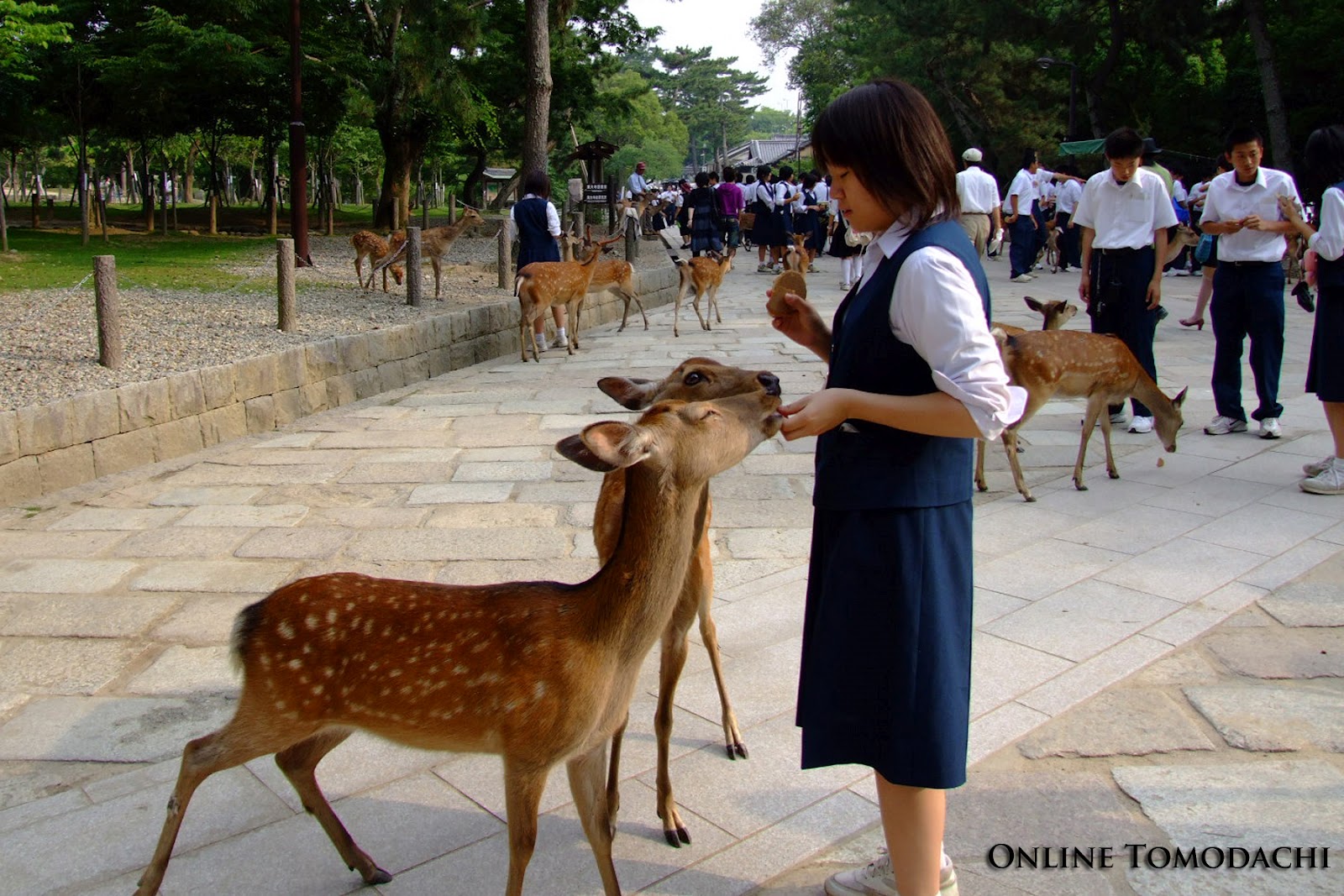
Deer are everywhere in Nara, Japan. You can almost see them immediately the moment you reach Nara prefecture. You can see them the most at Nara Park and at Todai-Ji (Temple).


According to Nara locals' story, Deer from this area were considered sacred due to a visit from one of the four gods of Kasuga Shrine, Takenomikazuchi-no-mikoto. It was said the god appeared on Mt. Mikasa-yama riding a white deer. From that point, the deer were considered divine and sacred, protecting the city.


Now the Deer in Nara are considered as national Treasures and are protected by the local government. So now the deer roam around the town, especially in Nara Park. Snack vendors sell "Shika Sembei" or Deer Biscuits to visitors so they can feed the deer. But be careful not to have any papers around you, the Deer tend to take a bite on it.


This Deer is waiting for someone to feed it

Photos Courtesy of Forest Han Photography
www.foresthantravel.blogspot.com

Monday, 23 July 2012

Have a cup of Flavoured Ice in Japan

Feeling hot during Summer time in Japan? Get yourself a cup of flavoured Ice to cool yourself down. In Japan this is called "Kakigori", the Japanese version of a Snow Cone except in a cup and you eat it with a spoon. Kakigori comes in different flavoured such as Green Tea, Grape, Blueberry, Peach, Lemon, Cherry and so on. It is also popular to add sweetened condensed milk to it or sometimes red beans, fruits or Mochi to enhance the taste.

Kakigori can be found almost anywhere in Japan during the summer time. Street vendors selling it are usually around especially during a festivals, at the train stations, a street fairs and other popular places where a lot of people gather or visit. So if you are visiting Japan in the Summer time make sure you try one Kakigori, it's cool & delicious :-)

Monday, 4 June 2012

Taxi in Japan

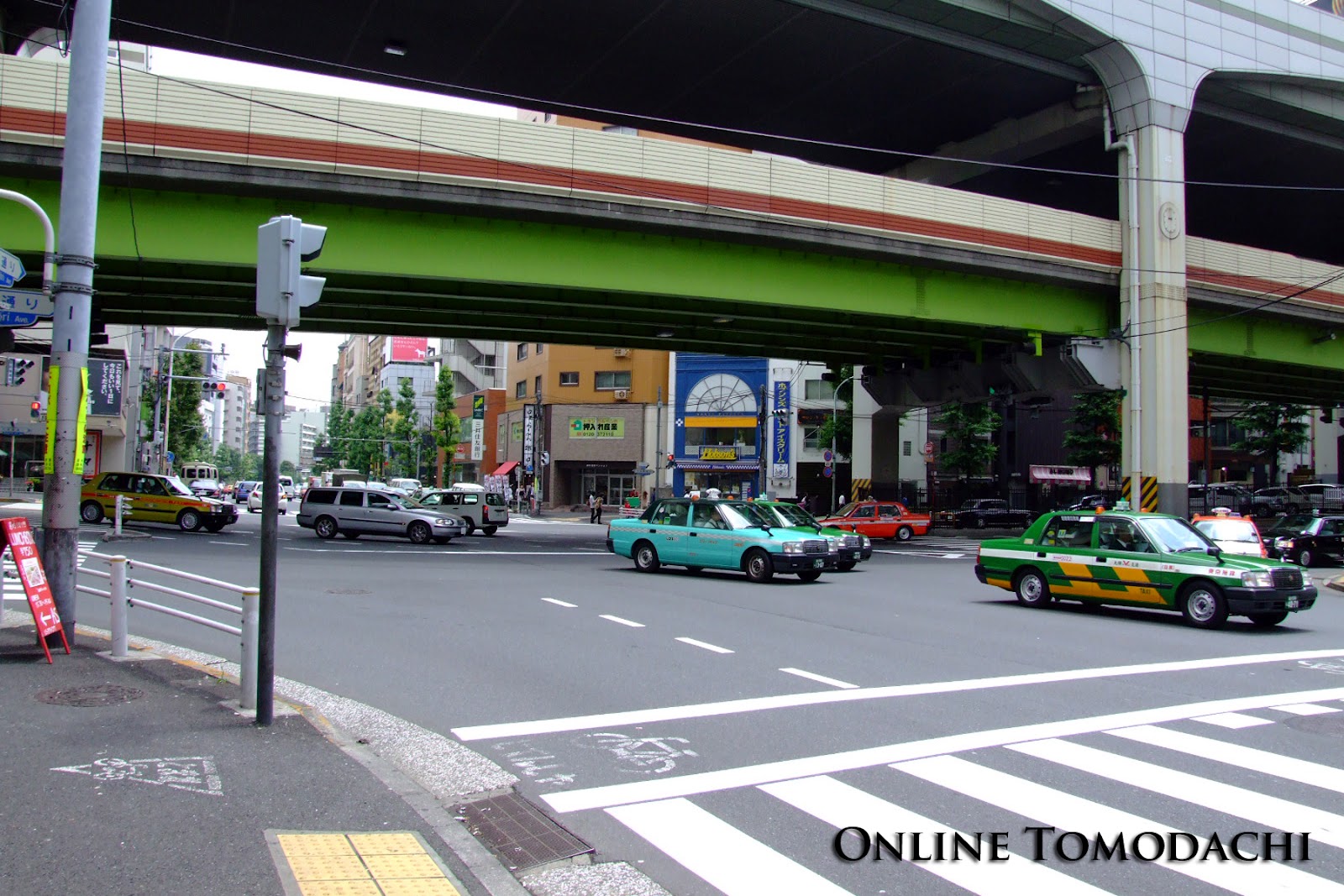
Taxi can be found everywhere in Japan. It is one of the common transportation use there. It may be expensive to ride one if you are going on a long journey, but to go around fast in the city it can be convenience especially late at night when all the other public transportation shut down. 


In Japan smaller cities, Taxi are more often use than the other public transportation and it can help you save time instead of waiting for a bus. Taxi fares typically start around 600-700 YEN for the first two kilometers and increase about 100 yen for every additional 500 meters traveled. The cost is also counted when the taxi is not moving for a prolonged time. Late in the evening the rates are raised by around 20 percent. I'm sure this is the same with other countries. Traveling in a group of four is advise to reduce the fare when it's break down to a person. Oh ya, you can pay the Taxi fare with a credit card, just ask the Taxi driver before you enter.


In Japan the Taxi's left rear door is opened and closed remotely by the Taxi driver. You do not need to open or close the door. For a foreigner who can't speak Japanese well, communication with the Taxi driver can be a problem. Taxi drivers there don't really know how to speak English. So it is advice to give your driver the address of your destination on a piece of paper or point it out on a map, or have the telephone no. of the place you are going for the Taxi driver. Sometimes places in Japan can be confusing even for a Japanese.   


Visit here to learn some  Japanese language for calling a Taxi

A typical Japanese Taxi GPS Device