Tuesday, 8 January 2013

Japanese Soba Noodles

Soba noodles (buckwheat noodles) are available everywhere in Japan. It is eaten either steeped in a hot broth with various ingredients or cold with a soy-based dipping sauce. Soba noodles are very popular and inexpensive in Japan, especially during summer season. 


Unlike pasta or other type of noodles around the world, most Japanese noodles, including soba, are rinsed in cold running water. This not only cools them down but gets rid of excess starch, which adversely affects the flavor of the noodles. 


The most popular Soba noodles is serve cold. You eat Soba noodles by dipping into a properly made sauce or Soba Tsuyu, with plenty of spicy condiments or Yakumi. The Tsuyu is made of a strong mixture of Dashi, sweetened soy sauce (also called "Satōjōyu") and MirinWasabi and Spring onions, and sometime raw Quail egg are often mixed into the Tsuyu

It is typically eaten with chopsticks, you picks up a small amount of Soba noodles from the tray and swirls it in the cold Tsuyu before eating it. and in Japan, it is considered acceptable to slurp the noodles noisily. This is especially common with hot noodles, as drawing up the noodles quickly into the mouth helps cool them. 


On New Year's Eve there is a custom to eat "Toshikoshi-soba” (Year-crossing noodles). Because soba is fine and long, people eat them to wish for a long life. Another interesting fact about Soba is it also means "Next to". There is a Japanese custom called "Hikkoshi-soba” (Moving-in noodles). People, who have just moved into a new neighbourhood, give their new neighbours Soba noodles while introducing themselves.


Soba Noodles differ in different part of Japan and shops. There are different types of Soba noodles and it is serve with different kind of ingredients. You have to try it out yourself to know which Soba noodles you would prefer to eat. Next time you are in Japan or any Japanese restaurants, give it a try, but if you are already a Soba noodles lover, then Enjoy :-)


Sunday, 25 November 2012

Article from Japan

This article is from Japan Ministry of Foreign Affairs website about a Brunei Primary School at Kampung Ayer (Water Village). It's in Japanese, so if you know how to read Japanese then have a look, if not get it translated. Click the link below to view.


Friday, 23 November 2012


If you are visiting Kyoto, Japan then Kinkaku-Ji (temple) is a wonderful place to visit and a must visit. Kinkaku-Ji or the Golden Pavilion is a Zen Buddhist temple in northern Kyoto whose top two floors are completely covered in gold leaf. It is formally known as Rokuon-Ji and was the retirement villa of the shogun Ashikaga Yoshimitsu. Kinkaku-Ji is an impressive structure built overlooking a large pond, and is the only building left of Yoshimitsu's former retirement complex. It has burned down numerous times throughout its history including twice during the Onin War which destroyed much of Kyoto, and burned down once again more recently in 1950 when it was set on fire by a monk. The present structure was rebuilt in 1955.


Monday, 15 October 2012

Japanese Koi

Koi or Nishikigoi (in Japanese), are a popular fish around the world, and are kept for decorative purposes in outdoor Koi ponds or water gardens. Koi varieties are distinguished by coloration, scalation and patterning. Some of the major colors are white, black, red, yellow, blue, and cream.


Japanese Koi fish are specifically bred for both coloration and form. Most popular in Japan are the Kohaku, a pure white fish with persimmon-red patches arranged in a stepping stone pattern. Koi fish are beatiful, their patterns and colors make them amazing fish to see. People can spend hours just relaxing and watching these beautiful and colorful fish swim in the pond.


In Japan, Koi are known for their masculine and positive qualities. They are the official symbol for the Japan Children's Day on May 5th, which is also a festival in Japan.  During this festival families hang a Koi Fish windsocks or Koino Bori (see below) for every member they have in their household.  Another Japanese believes is that Koi fish symbolise strength for overcoming life's difficulties. Other than that Koi fish is a part of Japanese culture that can be found in some homes or parks around the world.


Friday, 5 October 2012

Japanese Coin Pouch


Japanese Coin Pouch, It's a must get when you are in Japan for putting Japanese Coins. I'm sure most guys wallet doesn't have a coin pocket in in nowadays, and it can be very inconvenience when you are in Japan  because they still uses a lot of coins in their market. This Japanese coin pouch can be easily store in your pockets wherever you go. 

The Japanese Coin Pouch comes with many design and patterns, but the shapes are all almost the same. You can easily buy them from any souvenir shops, and also from 100 Yen shops. It can also be a good souvenir to get for friends and family :-)

Sample of Japanese Coins

Sunday, 9 September 2012

Tokyo City Sky View


You can see Tokyo Rainbow Bridge in this photos


The photos are taken from Tokyo Tower special observatory. It's an amazing view to see when you are up in the Tokyo Tower.

Photos Courtesy of Forest Han Photography

Monday, 27 August 2012

Deer in Nara

Konichiwa.... Yokoso Japan!

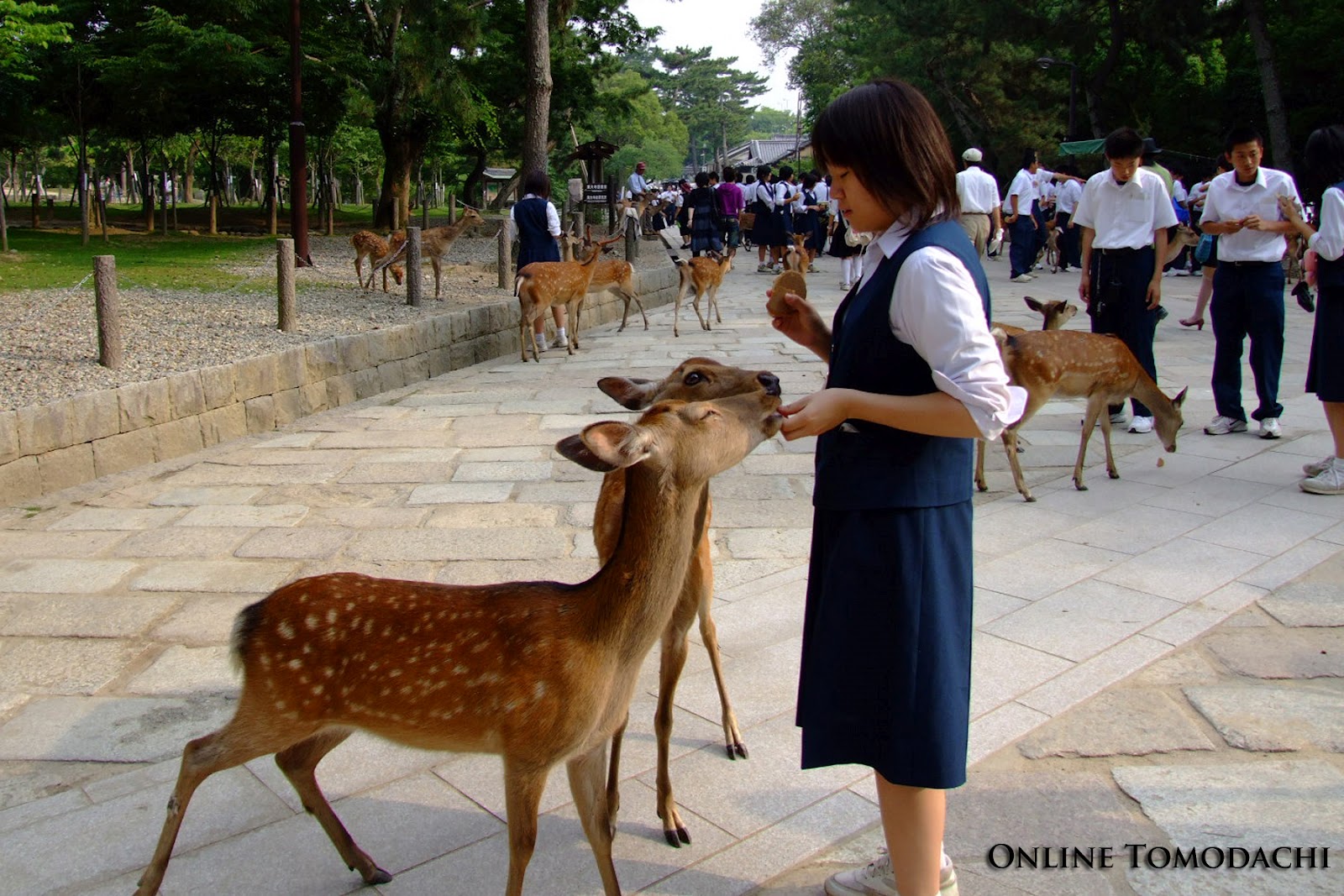
Deer are everywhere in Nara, Japan. You can almost see them immediately the moment you reach Nara prefecture. You can see them the most at Nara Park and at Todai-Ji (Temple).


According to Nara locals' story, Deer from this area were considered sacred due to a visit from one of the four gods of Kasuga Shrine, Takenomikazuchi-no-mikoto. It was said the god appeared on Mt. Mikasa-yama riding a white deer. From that point, the deer were considered divine and sacred, protecting the city.


Now the Deer in Nara are considered as national Treasures and are protected by the local government. So now the deer roam around the town, especially in Nara Park. Snack vendors sell "Shika Sembei" or Deer Biscuits to visitors so they can feed the deer. But be careful not to have any papers around you, the Deer tend to take a bite on it.


This Deer is waiting for someone to feed it

Photos Courtesy of Forest Han Photography
www.foresthantravel.blogspot.com